How to Choose the Right Manhole Cover Load Class for Your Project
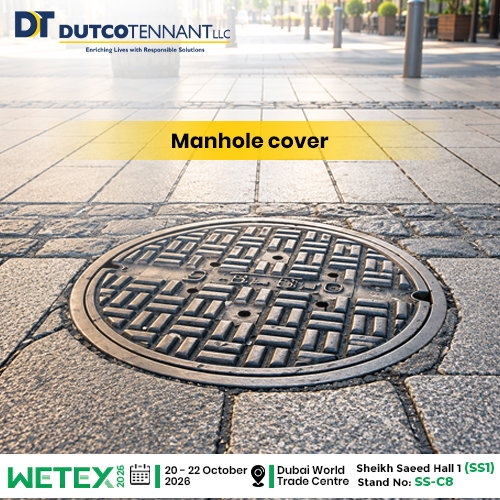
Manhole covers are installed across footpaths, car parks, roads, loading areas and other utility locations. Each setting places different demands on the cover.Load classification helps engineers and contractors select an option suited to the expected use. Instead of considering size alone, the decision should account for where the cover will be installed and the type of traffic passing over it.
Start with the Installation Area
The first step is to understand how the area will be used. A pedestrian walkway has very different loading conditions from a carriageway used by cars and lorries.Manhole covers are therefore grouped into load classes for different applications. The range extends from lighter pedestrian use to demanding locations such as loading zones and aircraft pavements. This classification gives project teams a practical starting point when reviewing manhole covers for civil and utility works.
Choosing the Right Load Class
The right manhole cover depends mainly on where it will be installed. Areas used only by pedestrians need a different load class from car parks, roads or heavy-traffic locations. A simple way to understand the classes is:·
A15: Pedestrian and cycle areas·
B125: Car parks and areas with occasional vehicle access·
C250: Forecourts and slow-moving traffic areas·
D400: Roads used by cars and lorries·
E600: Loading areas and docks·
F900: Aircraft pavement areas
Once the location is clear, teams can consider the required size, material and other project specifications.
From Pedestrian Areas to Heavy Traffic
A15 is intended for areas used by pedestrians and cyclists. B125 and C250 move into locations where vehicles may be present, including car parks and forecourts. For carriageways accessible to cars and lorries, D400 represents a higher load category. E600 applies to more demanding areas such as docks and loading zones, while F900 covers aircraft pavements. This progression makes it easier to narrow down the appropriate category according to site use.
Size Is Only One Part of Selection
Correct dimensions are essential, but covers of similar sizes may be required for very different environments.Traffic conditions and load class should therefore be reviewed alongside size. For example, an access point within a pedestrian area will have different demands from one positioned within a roadway.Considering these factors together gives teams a clearer basis for specifying infrastructure equipment for a particular project.
Consider the Material
Cast iron and ductile iron options are available for manhole cover applications. Material choice should be considered together with the required load class and project specification. For heavier-duty locations, project teams may need to consider materials suited to greater loading conditions. The final choice should reflect how and where the cover will be used rather than material alone.
A Simple Selection Checklist
Before choosing a manhole cover, check:·
Location: Footpath, car park, road, loading area or another setting.·
Traffic: Pedestrians, cars, lorries or heavier vehicles.·
Load class: The classification required for the application.·
Size: Dimensions needed for the access point.·
Material: The option suitable for the intended use.·
Project specification: Any requirements that need to be followed.
Reviewing these points early can make product comparison more straightforward.
Discuss Your Requirements at WETEX 2026
If you are selecting manhole covers for an upcoming project, WETEX Exhibition 2026 is a good opportunity to compare suitable options and discuss your application with Dutco Tennant LLC. Meet the team from 20–22 October 2026 at Dubai World Trade Centre, UAE, Sheikh Saeed Hall 1 (SS1), Stand SS-C8.
